.png)
Pet Grooming Business Insurance Guide
Protect your grooming business with the right insurance. Learn coverage all pet groomer needs

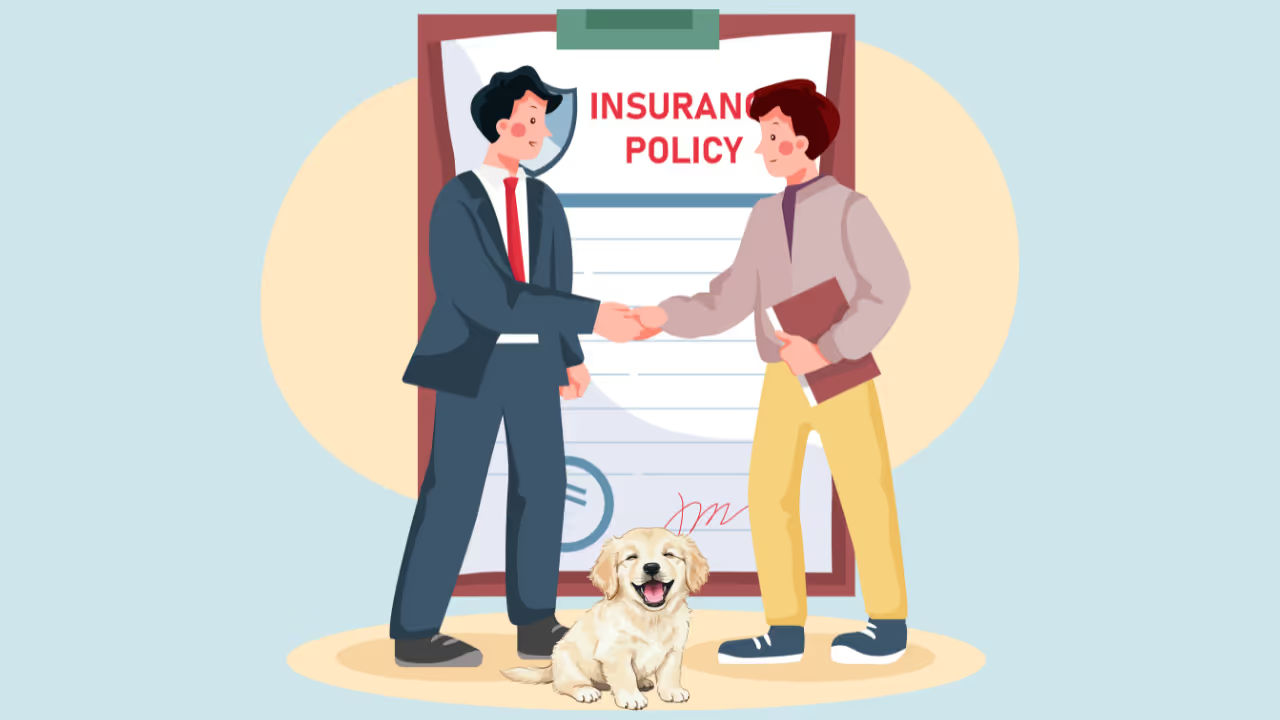


One dog bite. One slip on a wet floor. One allergic reaction to shampoo. Any of these could cost you thousands—or end your grooming business entirely. Pet grooming business insurance isn’t optional; it’s essential protection for your livelihood.
This guide explains the coverage you need, what it costs, and how to choose the right insurance for your grooming business.
Why Groomers Need Insurance
The Risks Are Real
Pet grooming involves inherent risks.
Injury to animals
- Clipper cuts and nicks
- Burns from dryers
- Falls from tables
- Allergic reactions
- Stress-related incidents
- Escapes and runaways
Injury to people
- Dog bites to you or clients
- Slip-and-fall accidents
- Allergic reactions
- Vehicle accidents (mobile groomers)
Property damage
- Damage to client property
- Fire or water damage to your space
- Vehicle damage
- Equipment theft or damage
The Financial Impact
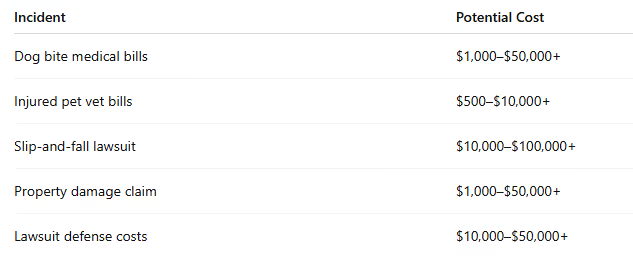
Without insurance, one incident could bankrupt your business.
Essential Insurance Types for Groomers
1. General Liability Insurance
What it covers
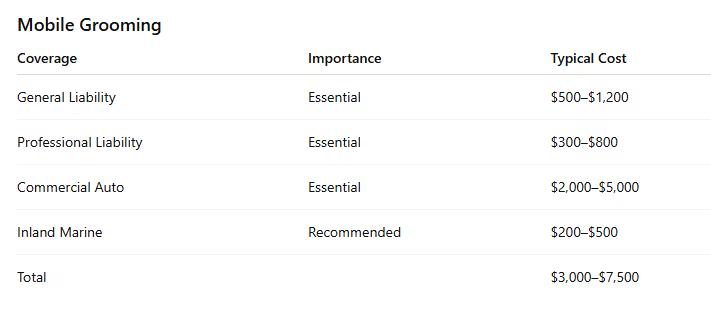
- Bodily injury to third parties (clients, visitors)
- Property damage you cause
- Personal injury (slander, libel)
- Medical payments for injuries at your location
- Legal defense costs
Example scenarios
- A client trips over equipment in your salon
- Client property is damaged during an appointment
- Someone is injured by a dog in your care
Typical coverage: $1–2 million per occurrence / $2–4 million aggregate
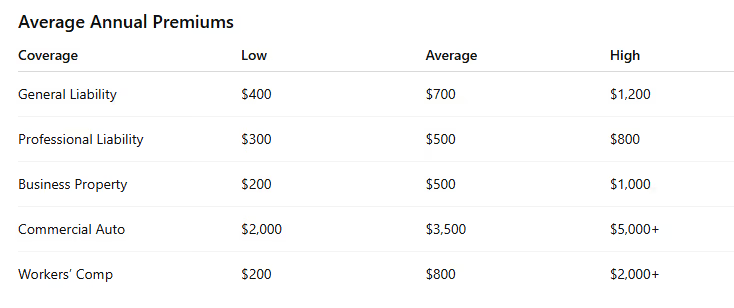
Typical cost: $400–$1,200 per year
2. Professional Liability (Errors & Omissions)
What it covers
- Injury to animals in your care
- Negligence claims related to grooming services
- Errors in service that cause harm
- Defense costs for grooming-related lawsuits
Example scenarios
- Dog develops skin irritation after grooming
- Pet is injured during grooming
- Animal escapes and is lost or hurt
- Clipper burn or cut requiring veterinary care
Why general liability isn’t enough
General liability covers third-party injury and property damage. Professional liability covers harm resulting from your professional services—critical for animal care businesses.
Typical coverage: $500,000–$2 million
Typical cost: $300–$800 per year
3. Business Property Insurance
What it covers
- Grooming equipment (clippers, dryers, tables)
- Supplies and inventory
- Furniture and fixtures
- Business records and documents
- Signage
Example scenarios
- Fire damages grooming equipment
- Theft of tools
- Water damage to supplies
Typical coverage: Replacement value of assets
Typical cost: $200–$800 per year
4. Business Owner’s Policy (BOP)
A BOP bundles multiple coverages at a discount.
Typically includes
- General liability
- Business property
- Business interruption
Advantages
- Simpler than multiple policies
- Usually cheaper than buying separately
- Single renewal
Typical cost: $500–$1,500 per year
Note: Most BOPs do not include professional liability, which is usually purchased separately.
5. Commercial Auto Insurance (Mobile Groomers)
What it covers
- Liability for vehicle accidents
- Vehicle damage
- Medical payments
- Uninsured motorist coverage
- Equipment inside the vehicle
Required for mobile groomers. Personal auto insurance usually excludes commercial use.
Typical cost: $2,000–$5,000 per year
6. Workers’ Compensation
What it covers
- Medical expenses for work-related injuries
- Lost wages
- Disability benefits
- Rehabilitation costs
Required in most states if you have employees.
Typical cost: $0.50–$2.00 per $100 of payroll
7. Optional and Specialty Coverage
Care, Custody, and Control (CCC)
Covers animals in your care if excluded from general liability.
Inland Marine
Covers equipment in transit (important for mobile groomers).
Cyber Liability
Protects against data breaches involving client information.
Employment Practices Liability
Covers employee-related claims such as discrimination or wrongful termination.
Insurance Requirements by Business Type
Home-Based Grooming
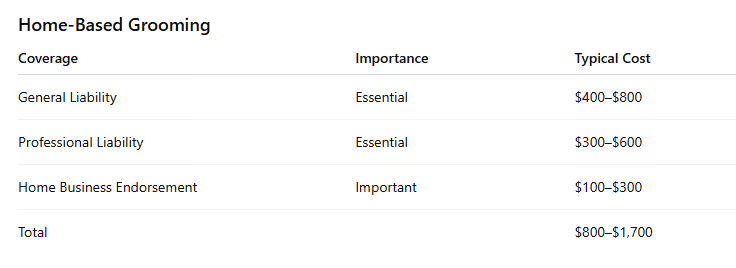
Homeowners insurance usually excludes business activities.
Salon Grooming
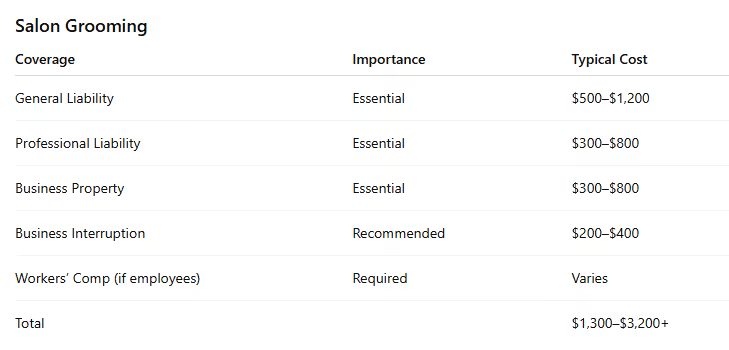
Mobile Grooming
How Much Does Groomer Insurance Cost?
Average Annual Premiums
Factors That Affect Your Premium
Higher premiums
- More employees
- Higher revenue
- Claims history
- High-risk breeds
- Mobile operations
- Expensive equipment
Lower premiums
- Solo operation
- Lower revenue
- Clean claims history
- Safety certifications
- Home-based business
- Higher deductibles
Ways to Reduce Costs
- Bundle policies
- Increase deductibles
- Obtain certifications
- Maintain clean claims records
- Shop around
- Pay annually
How to Get Insurance
Step 1: Assess Your Needs
Consider business type, employees, equipment value, revenue, and risk tolerance.
Step 2: Shop Multiple Quotes
Compare specialty pet insurers, general business insurers, brokers, and professional associations.
Step 3: Compare Coverage, Not Just Price
Review limits, deductibles, exclusions, claims process, and insurer stability.
Step 4: Ask Questions
Confirm animal coverage, exclusions, claim procedures, and coverage caps.
Step 5: Review Annually
Adjust coverage as your business grows or changes.
Understanding Your Policy
Key terms
- Premium
- Deductible
- Coverage limit
- Per occurrence
- Aggregate
- Exclusion
- Endorsement
Common exclusions
- Intentional acts
- Your own animals
- Pre-existing conditions
- Certain breeds
- Criminal acts
- Transport damage without commercial auto
- Employees without workers’ comp
What to Do When an Incident Occurs
Immediate steps
- Ensure safety
- Document everything
- Collect witness information
- Provide first aid if qualified
- Seek medical or veterinary care
- Do not admit fault
Reporting
- Report promptly
- Provide full documentation
- Keep copies
Minimizing Risk (and Premiums)
- Proper restraints and non-slip mats
- Regular equipment maintenance
- Dryer temperature monitoring
- Clear procedures for aggressive animals
- Thorough documentation
- Staff training and first aid certification
Final Thoughts
Insurance isn’t the most exciting part of running a grooming business, but it’s one of the most important. One uninsured incident could cost you everything you’ve built.
Carry the right coverage. Review it yearly. Protect your business.
Peace of mind is worth every penny.




![Teddy vs Gingr: Complete Comparison [2026]](https://cdn.prod.website-files.com/64ac1f211014e9b293d35a4a/698dede605a81497c71168d0_Teddy%20vs%20Gingr_%20Complete%20Comparison%20%5B2026%5D.png)