.png)
How to Start a Dog Grooming Business
Learn how to start a dog grooming business from scratch, from licensing to pricing and growth in 2026



Starting a dog grooming business is one of the most rewarding ways to turn your love for animals into a profitable career. With over 90 million dogs in American households and pet spending hitting record highs, the demand for professional grooming services has never been stronger.
Whether you're dreaming of opening a brick-and-mortar salon, launching a mobile grooming van, or starting a home-based operation, this comprehensive guide walks you through every step of building a successful dog grooming business in 2026.
Is Dog Grooming a Good Business to Start?
Before diving into the how-to, let’s look at why dog grooming is an attractive business opportunity.
The numbers speak for themselves
- The U.S. pet grooming market is valued at over $11 billion
- Average groomer earnings range from $30,000 to $60,000+ annually
- Mobile groomers and salon owners can earn $75,000 to $100,000+
- The pet industry has outpaced the general economy for 30+ consecutive years
Low barriers to entry
- No degree required (certification helps)
- Startup costs range from $2,000 (home-based) to $50,000+ (full salon)
- Can start part-time while keeping your day job
- Skills can be learned through apprenticeships or grooming schools
Recession-resistant
Pet owners consistently prioritize their animals’ care even during economic downturns. Dogs still need haircuts regardless of stock market performance.
Step 1: Get Proper Training and Certification
While most states don’t legally require a grooming license, proper training is essential for safety, quality, and credibility.
Training Options
Grooming Schools (4–16 weeks)
- Hands-on instruction with live dogs
- Learn breed standards, safety protocols, and business basics
- Cost: $3,000–$18,000
- Popular programs: Nash Academy, Paragon School of Pet Grooming, American Academy of Pet Grooming
Apprenticeships (6–12 months)
- Learn on the job from experienced groomers
- Usually unpaid or low-paid during training
- Real-world experience with diverse breeds and temperaments
Online Courses + Practice
- Most affordable option ($200–$1,000)
- Flexible scheduling
- Must be supplemented with hands-on practice
Certifications Worth Getting
- National Dog Groomers Association of America (NDGAA)
- International Professional Groomers (IPG)
- Pet First Aid & CPR
- Fear Free Grooming
Step 2: Choose Your Business Model
Your business model affects startup costs, operations, and scalability.
Mobile Grooming
Pros
- Lower overhead than a salon
- High convenience for clients
- Premium pricing potential
Cons
- High vehicle cost
- Limited to one client at a time
- Fuel and maintenance expenses
Startup costs: $30,000–$100,000+
Home-Based Grooming
Pros
- Lowest startup costs
- No commute
- Flexible schedule
Cons
- Zoning restrictions
- Limited growth potential
- Home modifications may be required
Startup costs: $2,000–$15,000
Brick-and-Mortar Salon
Pros
- Multiple groomers and revenue streams
- Professional image
- Easier to scale
Cons
- Highest startup costs
- Lease obligations
- Greater liability
Startup costs: $50,000–$200,000+
Step 3: Handle Legal Requirements
Getting your legal setup right protects you and builds client trust.
Business Structure
Sole Proprietorship
- Simple setup
- No liability protection
LLC (Limited Liability Company)
- Protects personal assets
- Affordable and flexible
- Recommended for most groomers
S-Corp
- Tax advantages at higher income levels
- More complex compliance
Licenses and Permits
- Business License
- DBA (if applicable)
- Sales Tax Permit
- Zoning Approval
- Health Department Permits (location-dependent)
Insurance
- General Liability
- Professional Liability
- Commercial Auto (mobile groomers)
- Workers’ Compensation (if hiring staff)
Estimated annual cost: $1,000–$2,500
Step 4: Acquire Equipment and Supplies
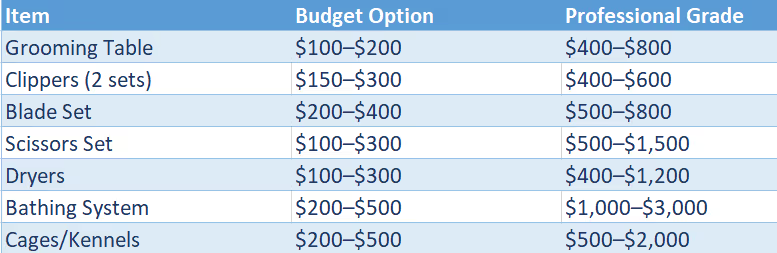
Essential Grooming Equipment
Ongoing Supplies
- Shampoos and conditioners
- Brushes and combs
- Nail tools
- Ear and dental care products
- Cleaning supplies
Monthly budget: $200–$500
Step 5: Set Your Pricing
Pricing Models
- Flat rate by size
- Breed-specific pricing
- A la carte services
Pricing Factors
- Local competition
- Experience and certifications
- Coat condition and behavior
- Services included
Step 6: Create Your Brand
Business Naming Tips
- Easy to spell and remember
- Domain and social handle availability
- Relevant to grooming
Visual Branding
- Logo
- Brand colors
- Clean typography
- High-quality before-and-after photos
Online Presence
- Google Business Profile
- Facebook and Instagram
- Simple website with booking info
Step 7: Set Up Operations
Scheduling and Client Management
Use grooming software that supports:
- Online booking
- Automated reminders
- Client and pet profiles
- Payments and notes
Key Policies
- Cancellation policy
- Vaccination requirements
- Matted dog policy
- Aggressive dog policy
Step 8: Market Your Business
Word of Mouth
- Ask for referrals
- Offer incentives
- Follow up with new clients
Local SEO
- Optimize Google Business Profile
- Collect and respond to reviews
- Keep business info consistent
Social Media
- Before-and-after photos
- Grooming tips
- Behind-the-scenes content
Community & Ads
- Partner with vets and pet stores
- Attend local events
- Run small-budget social or Google ads
Step 9: Prepare for Common Challenges
- Difficult dogs
- Difficult clients
- Physical demands
- Seasonal slowdowns
Preparation and clear policies make all the difference.
Step 10: Plan for Growth
Expansion Options
- Add spa or specialty services
- Hire assistants or groomers
- Open additional locations
- Add mobile units
Your First-Year Checklist
Months 1–2: Foundation
- Complete training
- Register business
- Secure licenses and insurance
- Buy equipment
Months 3–4: Setup
- Prepare grooming space
- Create branding assets
- Launch website
- Set up booking and payments
Months 5–6: Soft Launch
- Practice with friends and family
- Build portfolio
- Collect testimonials
Months 7–12: Growth
- Launch marketing
- Collect reviews
- Optimize pricing and services
Frequently Asked Questions
How much does it cost to start a dog grooming business?
$2,000 for home-based setups up to $100,000+ for mobile or salon operations. Most start successfully with $5,000–$15,000.
Do I need a license to groom dogs?
No grooming-specific license in most states, but business licenses and permits are required. Certification boosts credibility.
How long does it take to become a groomer?
4–16 weeks for grooming school, 6–12 months for apprenticeships. Confidence builds over 1–2 years.
How much can a dog groomer make?
$25,000–$35,000 entry-level, $40,000–$60,000 experienced, $75,000–$150,000+ for owners.
Mobile or salon?
Mobile offers flexibility and lower overhead. Salons scale faster. Many groomers transition between both.
Final Thoughts
Starting a dog grooming business is absolutely achievable—even without prior experience. With proper training, solid systems, and excellent service, you can build a profitable and fulfilling career.
The pet industry keeps growing, skilled groomers are in demand, and your future clients (and their furry friends) are waiting 🐾




![Teddy vs Gingr: Complete Comparison [2026]](https://cdn.prod.website-files.com/64ac1f211014e9b293d35a4a/698dede605a81497c71168d0_Teddy%20vs%20Gingr_%20Complete%20Comparison%20%5B2026%5D.png)