.png)
Dog Groomer Salary Guide [2026 Data]
Explore salary data by experience, location, and employment type
![Dog Groomer Salary Guide [2026 Data]](https://cdn.prod.website-files.com/64ac1f211014e9b293d35a4a/64ac1f211014e9b293d35c34_image-small-5-team-saaslify-team.avif)
![Dog Groomer Salary Guide [2026 Data]](https://cdn.prod.website-files.com/64ac1f211014e9b293d35a4a/698c55d1a2b8e197a0b9c67c_Dog%20Groomer%20Salary%20Guide%20%5B2026%20Data%5D.avif)


Dog Groomer Salary Guide (2026 Data)
If you're considering a career in dog grooming—or wondering whether your current earnings are competitive—understanding salary data is essential. Income varies significantly based on where you work, how you work, and how long you've been in the industry.
This guide breaks down the real numbers for 2026, including what top earners do differently.
Dog Groomer Salary Overview
National Averages (2026)

Entry-Level (0–2 years): $26,000 – $32,000
Mid-Career (2–5 years): $32,000 – $45,000
Experienced (5–10 years): $40,000 – $55,000
Top Earners (10+ years or business owners): $55,000 – $100,000+
Salary by Percentile
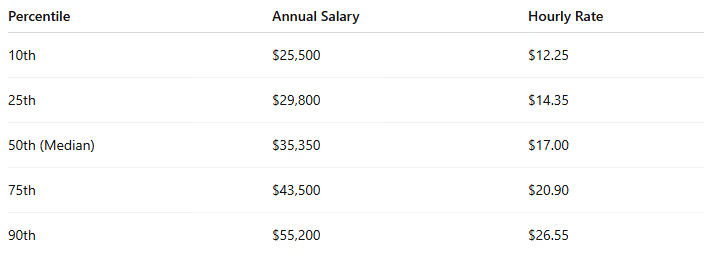
Salary by Employment Type
Where and how you work dramatically impacts earnings.
Corporate Salon Chains
Examples: PetSmart, Petco, Pet Supplies Plus
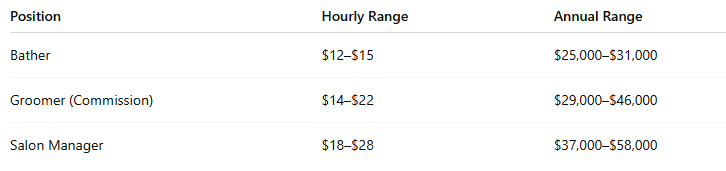
Typical Commission: 40–50% of service price
Pros:
- Benefits (health insurance, 401k)
- Steady client flow
- Training provided
- Predictable schedule
Cons:
- Commission structures limit upside
- Less creative freedom
- Corporate policies and performance metrics
- High volume, potential burnout
Independent Grooming Salons
Privately owned local businesses
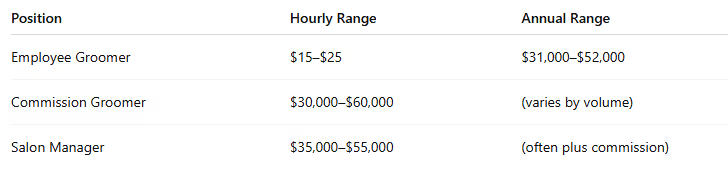
Typical Commission: 50–60%
Pros:
- Higher commission potential
- More personalized environment
- Greater creative freedom
- Stronger client relationships
Cons:
- Income depends on salon performance
- Benefits less common
- Less predictable than corporate roles
Self-Employed Groomers
Business owners, mobile groomers, home-based operations
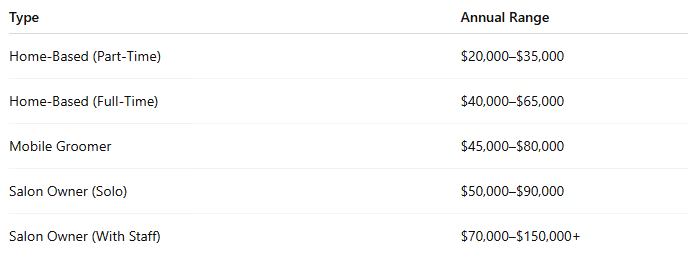
Pros:
- Highest earning potential
- Set your own prices and schedule
- Keep what you earn (minus expenses)
- Build equity in a business
Cons:
- No guaranteed income
- Responsible for all business operations
- No employer-provided benefits
- Startup costs and ongoing expenses
Salary by Location
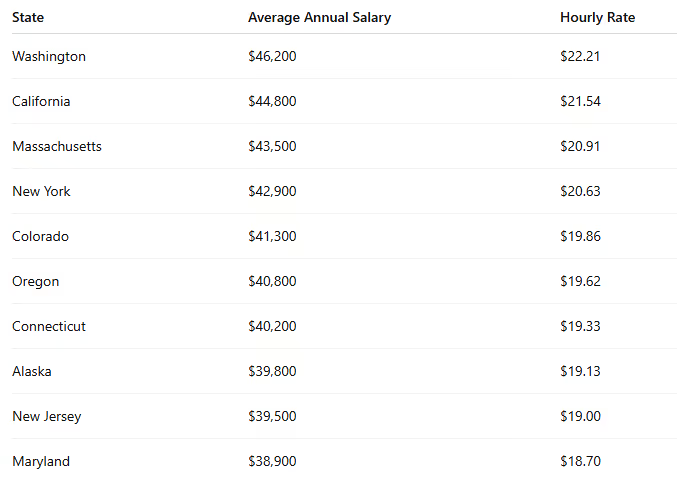
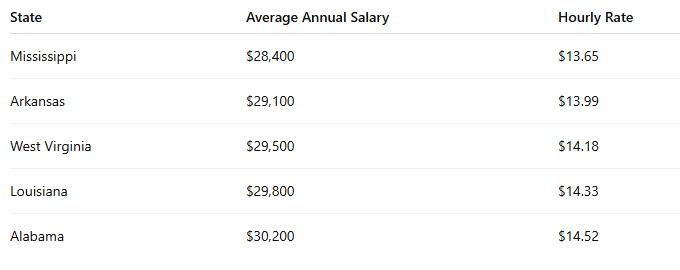
Geography significantly impacts grooming salaries.
Highest-Paying States (2026)
Lowest-Paying States (2026)
Cost of Living Consideration
Raw salary doesn’t tell the whole story.

Always evaluate both salary and cost of living when considering opportunities.
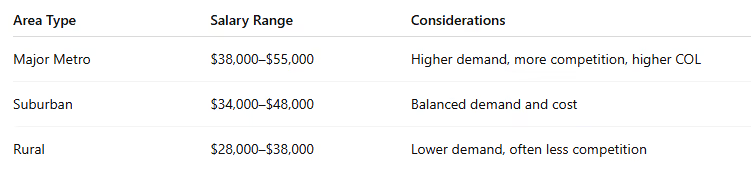
Metro Areas vs. Rural Areas
Urban areas typically pay 15–30% more but come with higher competition and living costs.
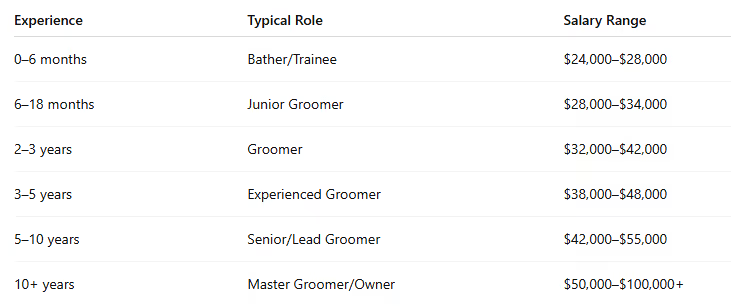
Salary by Experience Level
Experience directly impacts income progression.
Career Progression
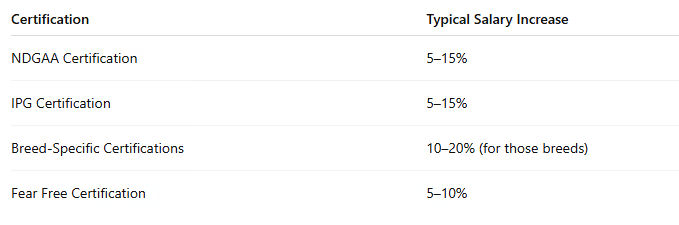
Certifications and Income Impact
How Groomers Are Paid
Hourly Wage
Common for entry-level roles and bathers.
Typical Range: $12–$25/hour
Pros:
- Predictable income
- Paid for time worked
Cons:
- Limited upside
- No reward for efficiency
Salary
Common for managers and some senior roles.
Typical Range: $30,000–$50,000/year
Pros:
- Predictable income
- Often includes benefits
Cons:
- No extra pay for extra dogs
Commission
Most common for professional groomers.
Typical Rates:
- Corporate chains: 40–50%
- Independent salons: 50–60%
- Booth rental: 60–70% (you pay rent separately)
Example:
$75 full groom × 50% commission = $37.50 per dog
6 dogs/day × $37.50 = $225/day
$225 × 250 working days = $56,250/year
Pros:
- Rewards productivity
- Higher earning potential
Cons:
- Income fluctuates
- Slow periods reduce pay
Booth Rental
Typical Rent: $300–$800/week
Example:
Gross revenue: $1,500/week
Booth rent: $500/week
Supplies: $100/week
Net income: $900/week = $46,800/year
Pros:
- More independence
- Keep higher percentage per groom
Cons:
- Must build clientele
- Pay rent regardless of volume
Self-Employment
Example:
Revenue: $120,000/year
Expenses: $45,000
Net profit: $75,000/year
Pros:
- Highest earning potential
- Business ownership equity
Cons:
- Business risk
- Self-employment taxes
- No guaranteed income
Maximizing Your Grooming Income
- Increase Speed (Without Sacrificing Quality)
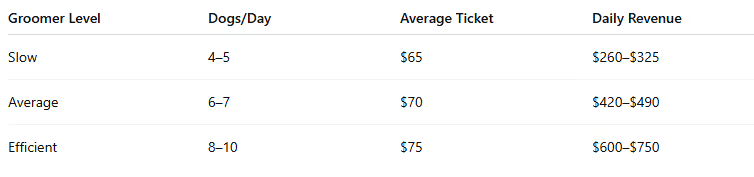
Ways to improve:
- Organize workspace
- Prep next dog while current dries
- Use time-saving equipment
- Develop efficient workflows
- Raise Your Prices
Impact of a $5 increase:
7 dogs/day × $5 × 250 days = $8,750 more per year
- Add High-Margin Services
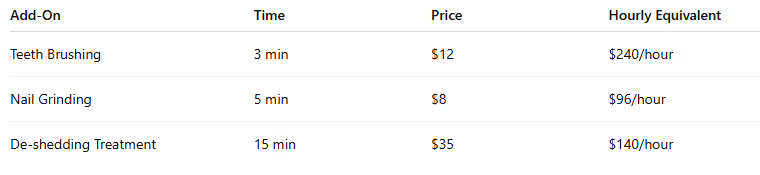
- Specialize
Premium niches include:
- Show grooming
- Creative grooming (colors, designs)
- Hand-stripping
- Giant breeds
- Cat grooming
- Fear-free grooming
- Move Toward Self-Employment
The income ceiling is highest when you work for yourself. Even part-time side grooming can significantly supplement salon income.
Benefits and Perks
Corporate Employers Often Offer:
- Health, dental, vision insurance
- 401(k)
- Paid time off
- Employee discounts
- Training programs
- Predictable scheduling
Independent Salons:
- May or may not offer benefits
- Often more schedule flexibility
- Sometimes continuing education
Self-Employment:
You must cover your own:
- Health insurance ($400–$800/month individual)
- Retirement savings
- Paid time off
- Business insurance
- Equipment and supplies
Always factor total compensation—not just salary.
Career Path Options
Advancement Within Employment
- Bather → Groomer ($5–$10k increase)
- Groomer → Senior Groomer ($3–$8k increase)
- Senior Groomer → Salon Manager ($5–$15k increase)
- Manager → District/Regional Manager ($10–$20k increase)
Entrepreneurial Path
- Employee → Side clients
- Side hustle → Part-time mobile/home grooming
- Part-time → Full-time self-employed
- Solo owner → Employer with staff
- Single location → Multiple locations
Related Careers
- Veterinary technician
- Pet store management
- Pet industry sales
- Grooming education
- Pet photography
- Mobile pet services
Frequently Asked Questions
Is dog grooming financially viable?
Yes. Median earnings are modest, but experienced groomers and business owners can earn $60,000–$100,000+.
Can you make a living as a dog groomer?
Yes. Entry-level wages are lower, but experienced professionals earn comfortable incomes.
Do groomers make good money?
Compared to trades with similar training time, grooming pays moderately well—with high upside for business owners.
How can I make $100,000 as a groomer?
- Own a multi-groomer salon
- Operate premium mobile grooming (8+ dogs/day at $100+)
- Combine grooming with additional services
- High-volume solo operation in premium market
Commission or hourly?
Commission offers higher earning potential for productive groomers. Hourly is better for beginners or those who prefer predictability.
Making Your Decision
If stability is your priority: Corporate salon with benefits
If growth is your priority: Independent salon with higher commission
If income ceiling is your priority: Self-employment
If work-life balance is your priority: Home-based or controlled schedule
There is no single right path. Your best option depends on your goals, skills, and risk tolerance.
Final Thoughts
Dog grooming offers a real path to financial stability—and even prosperity—when treated as a skilled profession.
Top earners:
- Continuously improve their skills
- Treat grooming as a business
- Build loyal client relationships
- Position themselves strategically
- Often work for themselves
Your earning potential is largely in your hands. Invest in your skills, operate efficiently, and charge what you're worth.




![Teddy vs Gingr: Complete Comparison [2026]](https://cdn.prod.website-files.com/64ac1f211014e9b293d35a4a/698dede605a81497c71168d0_Teddy%20vs%20Gingr_%20Complete%20Comparison%20%5B2026%5D.png)